Shade Structure Installation in Austin, TX: What the Hill Country Sun Changes About the Build
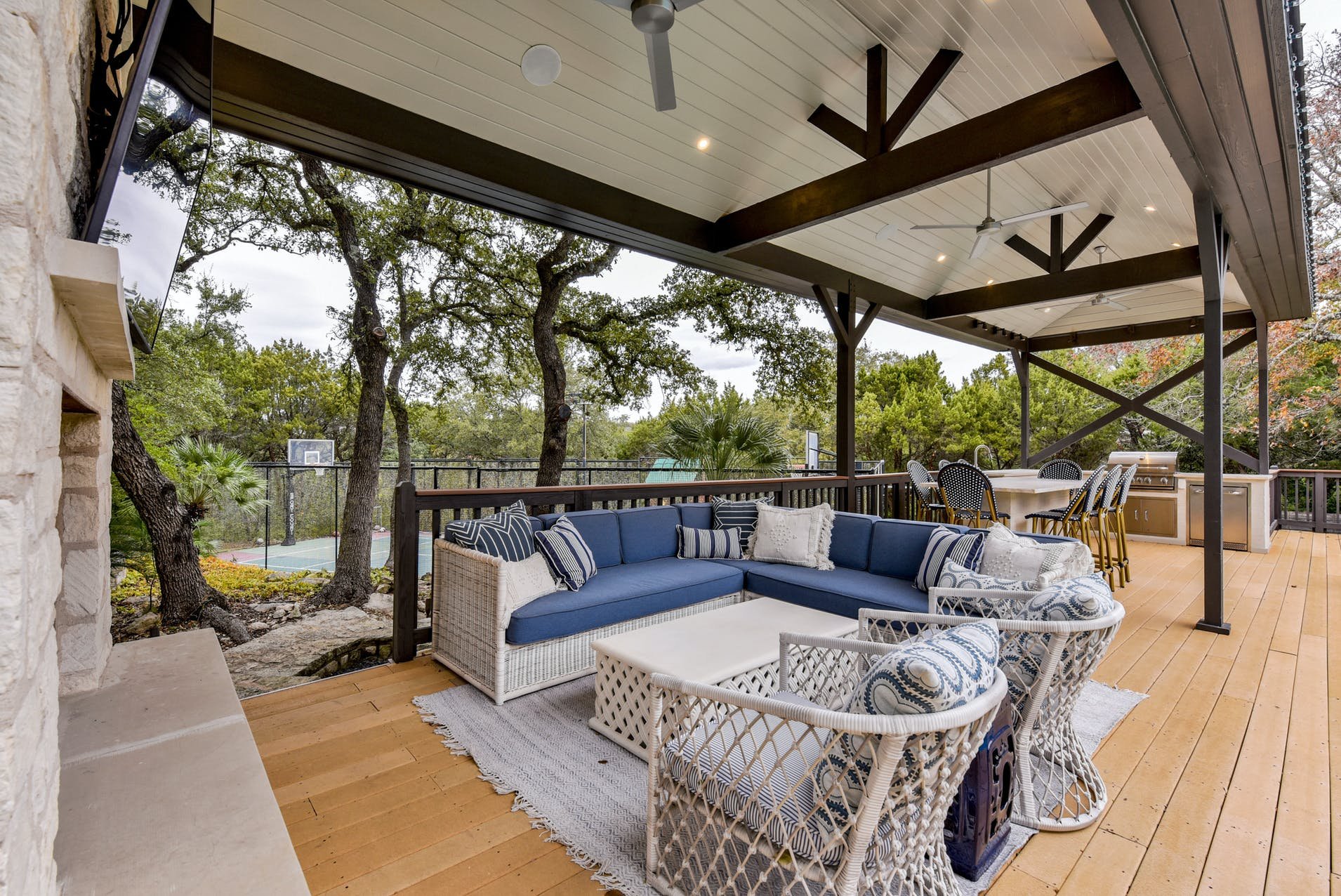
Austin summers push outdoor spaces to their limit, and a backyard without real shade often sits unused for months at a time. Shade structure installation in Austin, TX, has to account for a sun angle, heat load, and exposure pattern that most national design templates were never built around. A pergola or shade sail that works fine in a milder climate can fall short here within the first season.
Ground & Garden has designed and built outdoor living spaces across Austin and the Hill Country for over three decades, and that experience includes understanding exactly how much shade a Texas backyard actually needs to stay usable through the hottest months.
That distinction shows up most clearly in July and August, when a patio without adequate shade becomes unusable by mid-morning and stays that way until well after sunset.
A homeowner who invested in a beautiful outdoor kitchen or seating area only to find it sits empty all summer is usually dealing with a shade problem, not a design problem. The features were built correctly but sun exposure wasn’t considered.
Related: Why Landscape Architecture Makes the Difference Between a Pretty Yard and a Great One
Why Generic Outdoor Shade Solutions Fall Short Here
Austin's sun angle changes dramatically across the day and across the seasons, which means a shade structure sized or oriented without accounting for that shift can leave a patio exposed during exactly the hours people want to use it.
A pergola built with standard spacing between rafters, designed for a milder climate, often lets more direct sun through than a Texas backyard can tolerate during peak summer.
Heat load matters as much as direct sun. Materials that absorb and radiate heat, certain metals and dark-colored surfaces, can make a shade structure feel warmer to stand under than the open sun a few feet away. Material selection has to account for this, not just for how the structure looks in a rendering.
What the Hill Country Climate Actually Requires
Structures here need to withstand more than heat. Wind gusts during Hill Country storms, the occasional hailstorm, and long stretches of intense UV exposure all affect material choice and structural engineering.
Wood species and finishes need UV-resistant treatments to avoid premature graying and cracking, and any metal components need coatings that resist both heat and corrosion over years of exposure.
Orientation planning is where a real design process pays off. A shade structure positioned and angled specifically for a property's sun exposure, rather than a generic north-south default, can extend usable outdoor hours by several hours a day during peak summer. That difference comes from site-specific planning, not a standard structure dropped into whatever open space exists.
Related: How to Create an Outdoor Living Space in Austin That Feels Comfortable Year-Round
Why Integration With the Rest of the Landscape Matters
A shade structure works best when it is planned alongside the patio, plantings, and any other outdoor living features on the property, not bolted on as an afterthought.
Sightlines, seating placement, and how the structure interacts with existing hardscape all affect whether the finished space feels intentional or added on later.
Ventilation and airflow also matter under Texas heat. A shade structure that blocks sun but traps still air can feel nearly as uncomfortable as no shade at all, which is why airflow gets considered as part of the design, not left to chance.
What This Means for an Austin Backyard
The difference between a shade structure that gets used daily and one that becomes an afterthought comes down to planning done before construction starts, sun angle, material selection, wind resistance, and integration with the rest of the property.
Ground & Garden designs shade structures as part of a complete outdoor living plan for homeowners across Austin, TX, and the surrounding Hill Country.
Schedule a consultation with Ground & Garden to plan a shade structure built for how your backyard actually gets used.
Related: How Custom Landscape Design Responds to What the Hill Country Actually Gives You to Work With